Trenching and Backfill Handled by One Crew
Utility Digs in Bristol for rural parcels where the service run may be long and older lots may have buried lines that must be located first
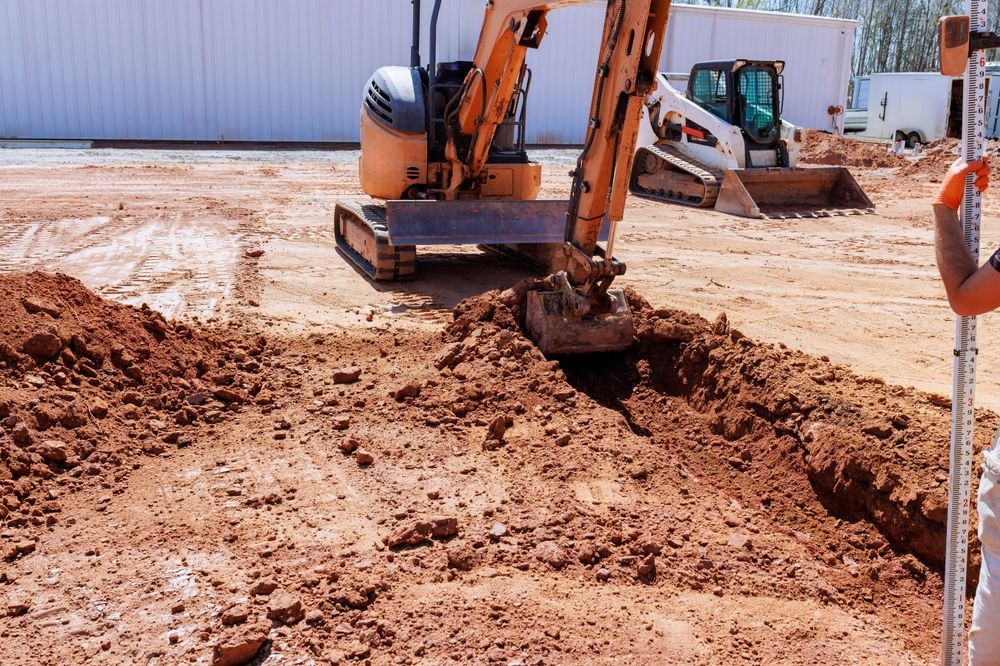
Rural parcels being built on often need a long service run from the road or a well, and older lots can have buried lines that must be located before digging, since cutting through a water line or electrical conduit adds cost and delays that could have been avoided. The company works as the general contractor, so trenching, backfill and grading are handled by Swanson's Earth & Stone LLC instead of being split between several subcontractors. Utility digs in Bristol are managed by one crew that cuts the trench, lays the pipe or conduit, backfills in compacted lifts, and restores the surface, which means the property owner deals with one point of contact instead of coordinating between a trenching contractor, a utility installer, and a grading crew.
Before digging, the route is marked and utilities are located, then the trench is cut to the required depth and pipe or conduit is laid. Backfill is compacted in lifts and graded back so the surface is restored, and the trench does not settle into a low spot six months later. Ask what utility locates are required before the work starts, since some utilities are marked by the local service and others must be located privately, and missing that step can mean cutting through a line that was not marked.
Request a site evaluation to identify existing utilities and confirm the trench route before mobilizing equipment.
Why Backfill Must Be Compacted in Lifts
Backfill placed in one pass without compaction will settle over time as water and gravity compress the soil, leaving a trench-shaped depression that holds water and damages the surface above it. Compacting the backfill in lifts ensures that the soil is dense all the way to the surface, so the ground above the trench is as stable as the ground next to it, and the property does not develop a sunken stripe where the trench was dug.
Once the utility dig is complete and backfilled, you will see a restored surface that matches the grade around it, with no visible trench or depression where the pipe or conduit was laid. If the trench crossed a lawn, the surface will be seeded or sodded, and if it crossed a driveway or hardscape, the surface will be patched and compacted so it does not sink under traffic.
Utility digs include trenching, pipe or conduit placement, and backfill, but they do not include the utility connection itself unless that is specified in the scope. If the trench crosses a paved surface, patching or resurfacing is a separate line item, and if the route requires boring under an obstruction, that is billed separately from open trenching.
Common Questions About This Service
Utility trenching projects in Bristol and Blountville often involve questions about how the route is marked, how deep the trench must be, and how the surface is restored after backfill.
How are existing utilities located before the trench is dug?
Public utilities like electric, gas and phone are marked by calling the local utility locate service, while private utilities like well lines, septic laterals and irrigation are located by the property owner or a private locator, and both must be completed before digging begins to avoid cutting through a buried line.
What determines the depth of the trench for a utility line?
The depth is set by the utility provider or local code and depends on the type of line being installed, with water lines typically buried below frost depth, electrical conduit buried at least 18 inches deep, and gas lines buried according to pressure rating and code requirements.
Why is backfill compacted in lifts instead of filled all at once?
Compacting in lifts ensures that the soil is dense throughout the trench, because compaction equipment only compresses material a few inches deep, and filling the trench in one pass leaves loose soil at the bottom that will settle over time and create a depression at the surface.
What should the trench route look like after the surface is restored?
The route should be graded flush with the surrounding surface, with no visible trench or low spot where the pipe was laid, and if the trench crossed a lawn the area should be seeded or sodded so it matches the rest of the yard once it grows in.
How long does it take for a backfilled trench to settle completely?
Even with proper compaction, backfill may settle slightly over the first few months as water and traffic compress the soil, and the surface should be checked and topped off with additional soil or patching material if a depression forms.
Swanson's Earth & Stone LLC also performs utility digs in Johnson City, Hampton, Roan Mountain, Unicoi and Kingsport. The company is a general contractor doing trenching and backfill in-house with an owner-run crew of one to two employees, so the work is handled by one team from layout through surface restoration.