Watering Systems That Follow Your Grade
Irrigation in Elizabethton for sloped lots where runoff limits how water reaches plant beds
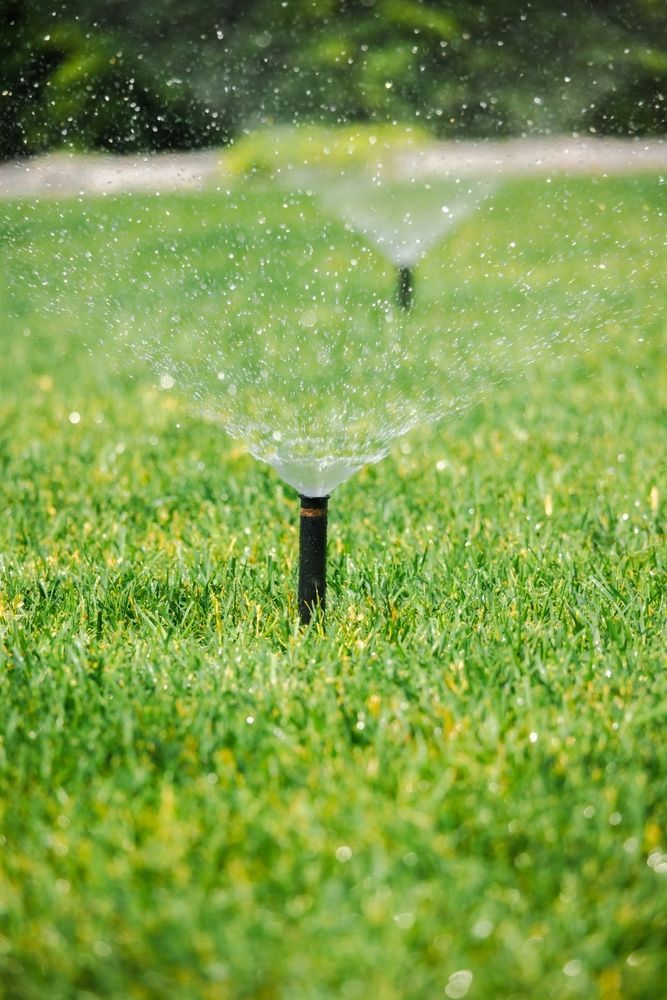
Sloped lots in Elizabethton and surrounding areas like Hampton lose water to runoff before it can soak into root zones, leaving plants under stress even when sprinklers run. Swanson's Earth & Stone LLC installs irrigation systems after trenching and grading the ground so lines are laid into properly prepared soil. Zone layout follows the natural grade rather than fighting it, directing water where it needs to go instead of letting it run downhill onto pavement or into neighboring yards.
The crew plans zones around your grade and existing plant beds, then trenches the main and lateral lines to depth before installing valves and heads. Trenching and grading are done by the same crew that installs the system, so line placement reflects the surface shape and drainage flow. Lines are protected at road and driveway crossings, and the surface is restored after testing confirms coverage.
Schedule a property evaluation to review your grade and zone layout requirements.
What Proper Trenching Does for System Performance
Trenches are cut to consistent depth for mainlines and laterals, with valves positioned at grade transitions where pressure changes. Each zone is tested for coverage before backfill goes in, so adjustments to head angle or spacing happen while the lines are still exposed. Crossings under driveways or walkways are sleeved to prevent settling or crushing over time.
Once the system is operational, you'll notice even coverage across plant beds without standing water at the bottom of slopes or dry patches at the top. Water reaches root zones instead of running off onto hardscapes. Systems installed into graded ground maintain consistent pressure across zones and require fewer seasonal adjustments to head positions.
The installation includes valve placement, head positioning, and surface restoration after backfill. Controller programming and seasonal adjustments are handled separately once the system proves out under initial operation.
Questions Before Installing Your System
Properties on slopes or uneven terrain often need irrigation zones designed around drainage patterns and plant locations rather than simple grid layouts, and these questions cover what to expect during the planning and installation process.
How does slope affect zone layout?
Zones are planned so water moves with the grade rather than against it, and heads are positioned to prevent runoff from pooling at the base of slopes or leaving dry spots at higher elevations.
What happens during trenching?
The crew cuts trenches to depth for mains and laterals, positions valves where pressure transitions occur, then lays and connects lines before testing coverage and backfilling once adjustments are confirmed.
How are lines protected at crossings?
Crossings under driveways, walkways, or other hardscapes are sleeved to prevent crushing or settling, and depth is maintained to avoid future surface damage during normal use.
What does testing involve before backfill?
Each zone runs through a full cycle with heads uncovered so the crew can check spacing, adjust angles, and verify that coverage reaches intended areas without overspray onto pavement or structures.
How is the surface restored after installation?
Trenches are backfilled and compacted, then the surface is graded to match surrounding terrain so water drains naturally and the yard returns to usable condition once grass or ground cover re-establishes.
Swanson's Earth & Stone LLC also installs irrigation in Johnson City, Hampton, Roan Mountain, Unicoi, and Kingsport. Contact Swanson's Earth & Stone LLC at (423) 213-4103 to arrange an on-site consultation and review your property's grade and zone requirements.